AUTHOR
Wen Cheng
READING TIME
5 MIN READ
LOCATION
Xi’an → Berlin
CATEGORY
FOOD STORIES
FROM THE WEN CHENG KITCHEN
What makes hand-pulled noodles chewy?
Hand-pulled noodles, or lāmiàn, trace their origins back more than 2000 years. The technique likely began in northwestern China, in cities like Lanzhou and Xi’an, where wheat was the main grain and noodle-making became a daily art form.
Chefs discovered that by combining just flour, water, salt and using their hands to stretch and twist the dough, they could create long, elastic strands without knives or machines. What started as a humble kitchen practice evolved into a signature symbol of northern Chinese cuisine, celebrated for both its flavor and artistry.
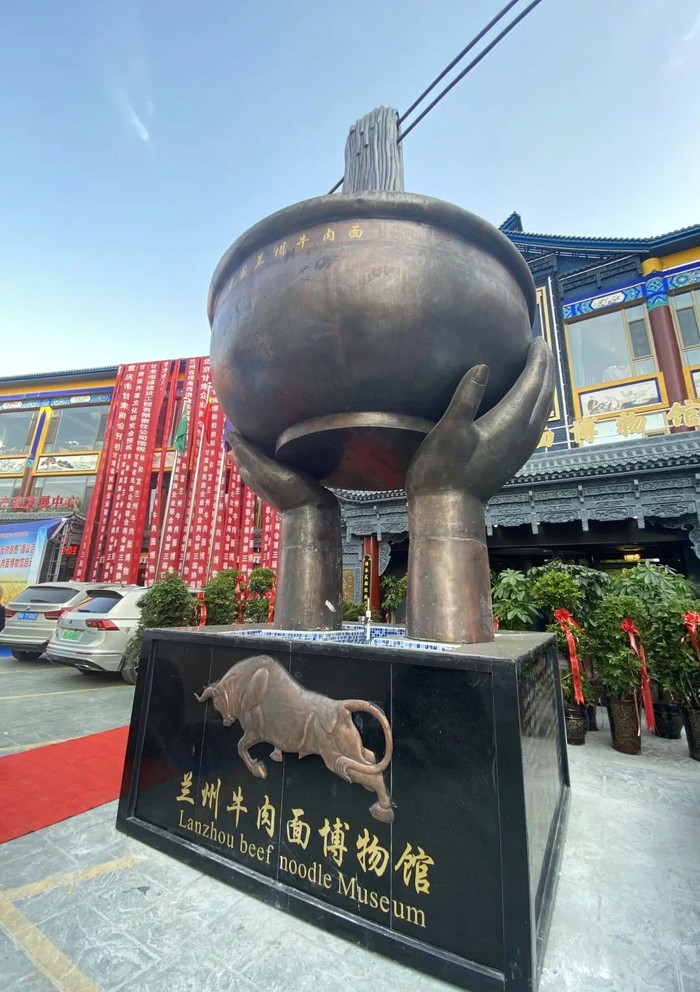
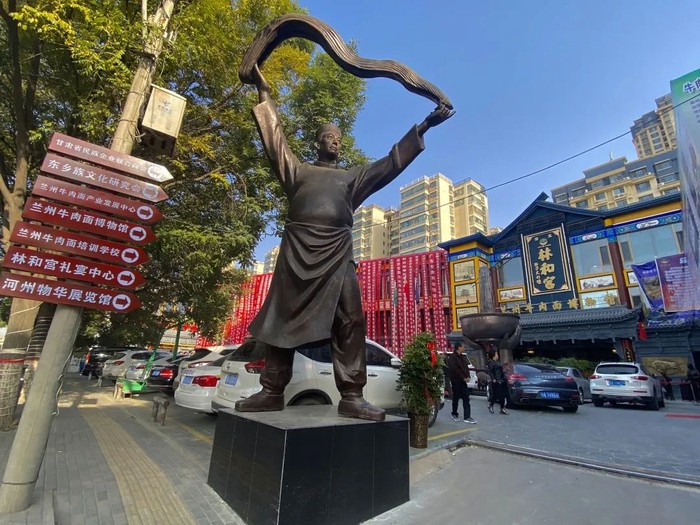
It’s believed to have originated especially in Lanzhou and Xi’an, regions known for their wheat production. Because wheat flour has high gluten potential, it became the base for dough that could stretch without breaking the foundation of hand-pulled noodles.
Over time, different regions developed their own pulling traditions:
Lanzhou Beef Noodles
Known for their clear broth and delicate, elastic noodles, often pulled and stretched right before serving.
Biang Biang Noodles
Famously wide, ribbon-like noodles from Shaanxi province, named after the ‘biang’ sound made when the dough hits the counter.
Dao Xiao Mian
Knife-cut noodles, a cousin of hand-pulled ones, sliced directly from a dough block into boiling water.
Together, they represent the diversity and creativity of Chinese noodle-making traditions. Each technique is a dance of hands, timing, and texture.
In Chinese culture, noodles symbolize longevity and unity. Long strands represent long life, prosperity, and continuous happiness. Hand-pulling itself is a craft passed down through generations, representing respect for tradition and patience.
The Essentials: Simple Yet Perfectly Balanced
What makes hand-pulled noodles special is their simplicity. The ingredients list is short:
THE ESSENTIALS
01
Wheat flour
High in gluten for stretch
02
Water
Binds and activates the gluten
03
Salt
Strengthens the structure
04
Kansui
Adds chewiness and a glossy finish
But the true magic lies in how these simple elements are worked together. The dough is kneaded, rested, and repeatedly stretched and folded until gluten develops the perfect elasticity. This transformation (from soft dough to strong, stretchy strands) is where craft meets chemistry.
ALKALINE WATER
Kansui
A mineral solution that strengthens dough, adds elasticity and gives noodles their distinctive glossy finish.
CHAPTER 03 — HOW WE PULL
The Pulling Technique
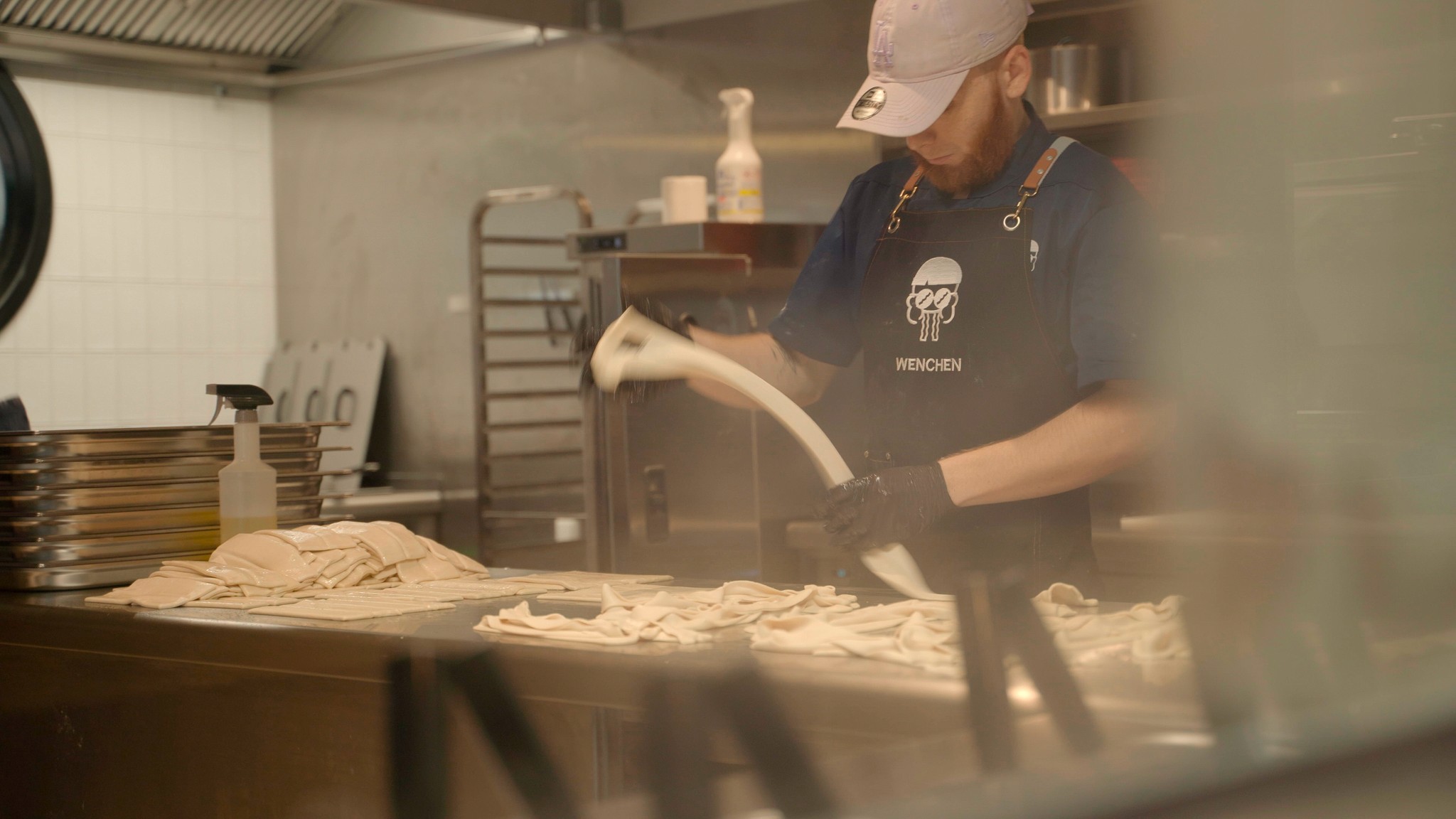
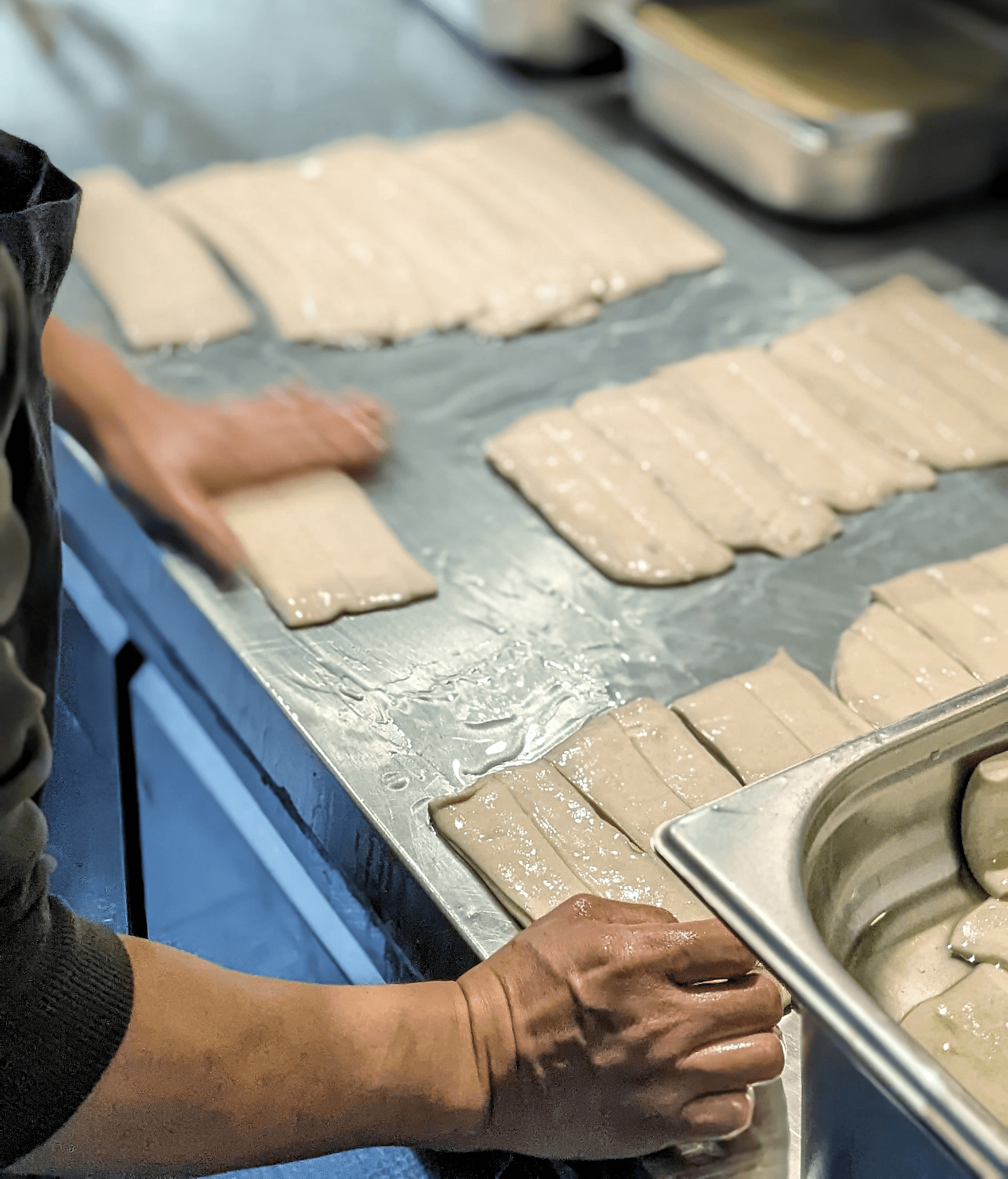
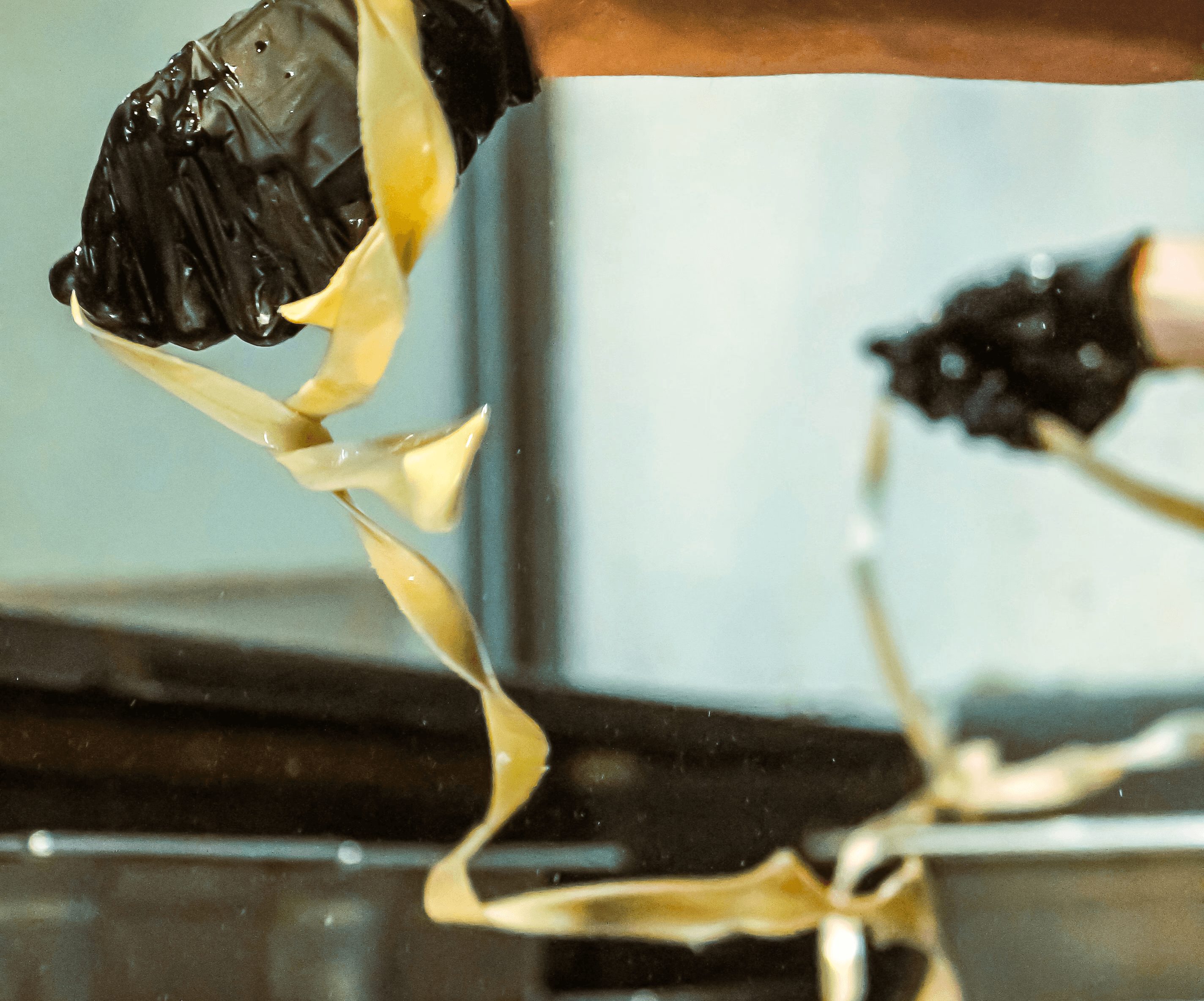
Pulling noodles is more performance than recipe. The cook rolls the dough into a cylinder, stretches it, folds it, and pulls again. Each repetition doubles the strands. One becomes two, two become four, until hundreds of thin noodles hang between their hands.
The process is guided by feel, rhythm, and instinct. Too much force and the dough breaks; too little and it won’t stretch. The result: noodles that are impossibly smooth, chewy, and alive with texture.
Watching it is part of the experience; a mix of skill, tradition, and motion that turns cooking into art.
BEHIND THE COUNTER
Rhythm becomes instinct
Every pull is adjusted by feel. The dough tells the cook when it is ready.
What Makes Them Unique
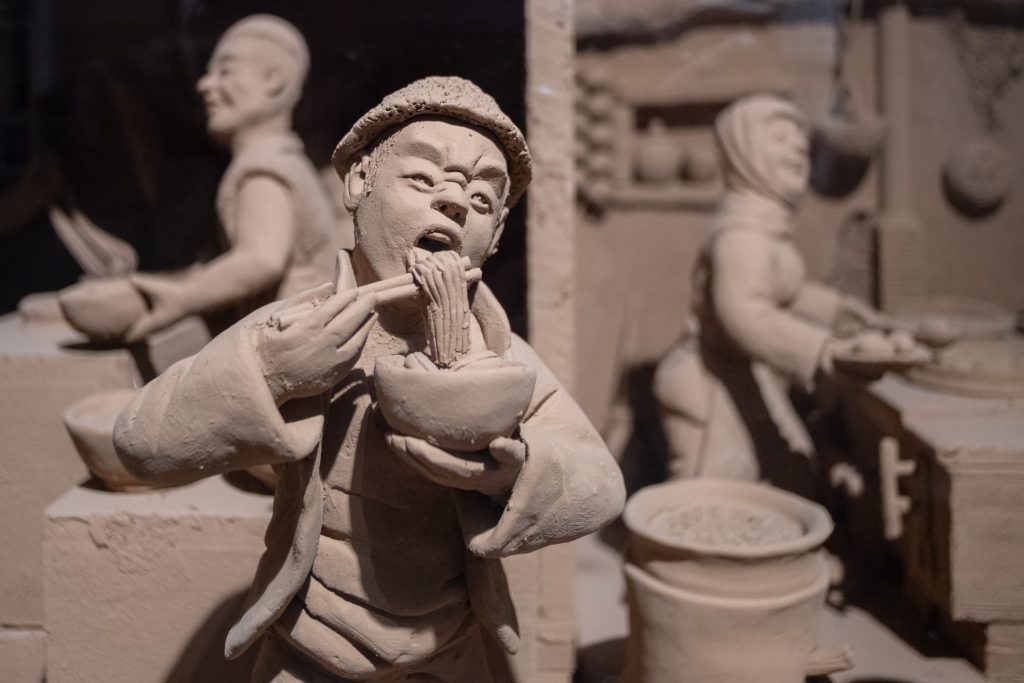
Unlike machine-made noodles, hand-pulled ones are fresh, elastic, and full of character. Their texture -chewy yet delicate- comes from nothing but time, strength, and skill. They’re versatile too: served in broths, stir-fried, or topped with chili oil, garlic, and vinegar.
From the fine strands of Lanzhou Lamian to the wide ribbons of Biang Biang Mian, each variation tells a different chapter of the same story, how something so simple can be endlessly expressive.
THE CRAFT
Keeping the Craft Alive at Wen Cheng
Today, hand-pulled noodles continue to connect generations. From street vendors in Xi’an to modern kitchens across the world. Their popularity lies not only in their taste but in the authenticity and artistry behind them. Watching noodles being pulled by hand is to witness a craft passed down through time, one that celebrates both tradition and creativity.
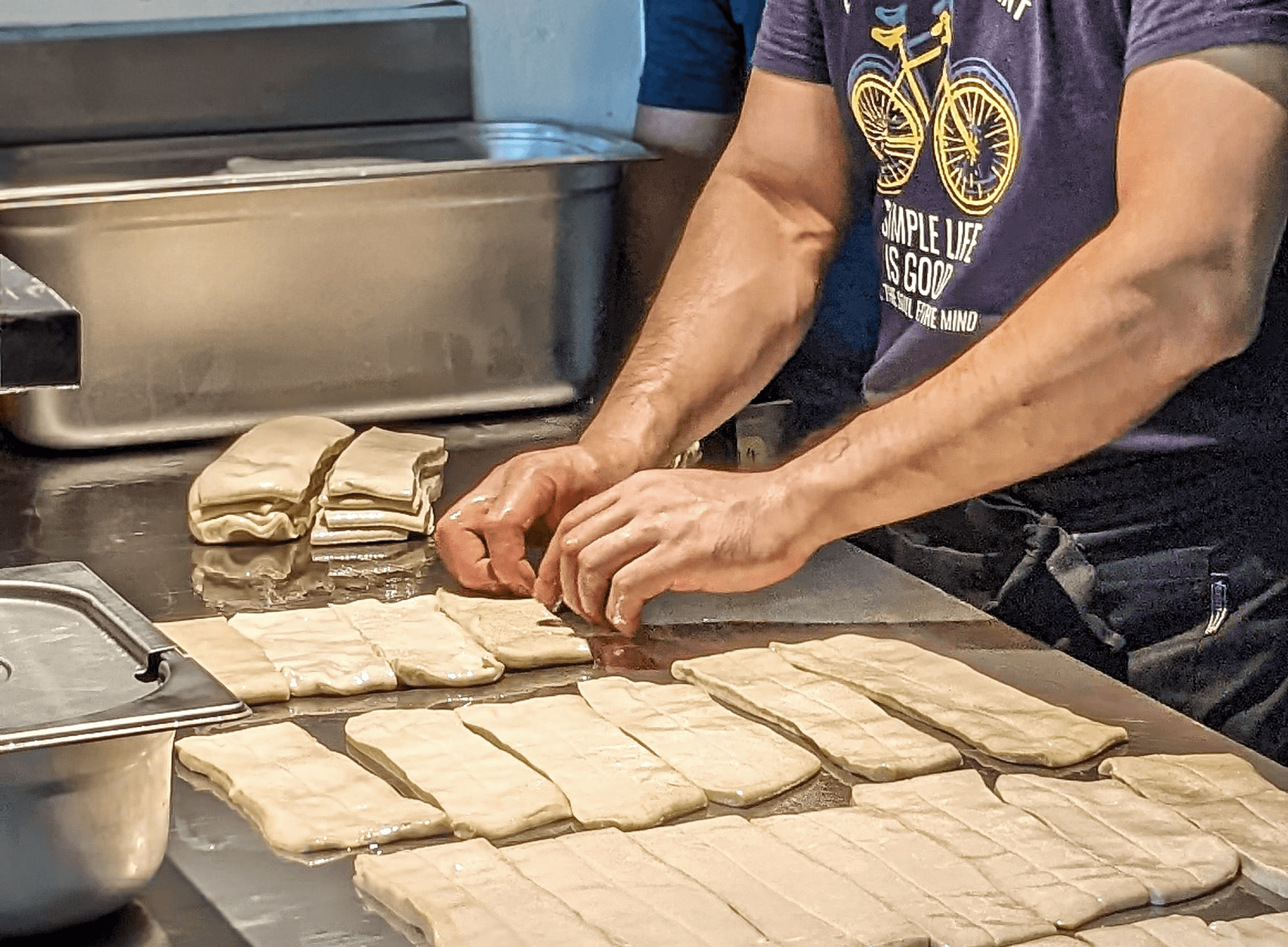
At Wen Cheng, this centuries old art continues every day in our kitchens across Berlin and beyond. Each noodle is pulled by hand the same way it has been done in Xi’an and keep tradition alive through modern creativity.
Because to us, hand-pulled noodles are more than food. They’re a connection between past and present, between movement and flavor, between hands and heart.
AI-assisted article — This article was created with the assistance of artificial intelligence and reviewed by our editorial team.